- Smart Options Trader
- Posts
- After Gold, Energy, and Softs — Is Wheat Next?
After Gold, Energy, and Softs — Is Wheat Next?
Commodity leadership rotates every cycle — and the WEAT ETF may be in position.


Simon Berry & Andrew Hecht
January 13, 2026

Want to find out the Super Hero of Trading?
👀 watch the video below 👇

Discover how PLAN ETF can be used to identify edge and opportunity in 2026.
Learn how to set up your trade once an edge is identified.
Learn How to manage rolling and exits once your position is on.
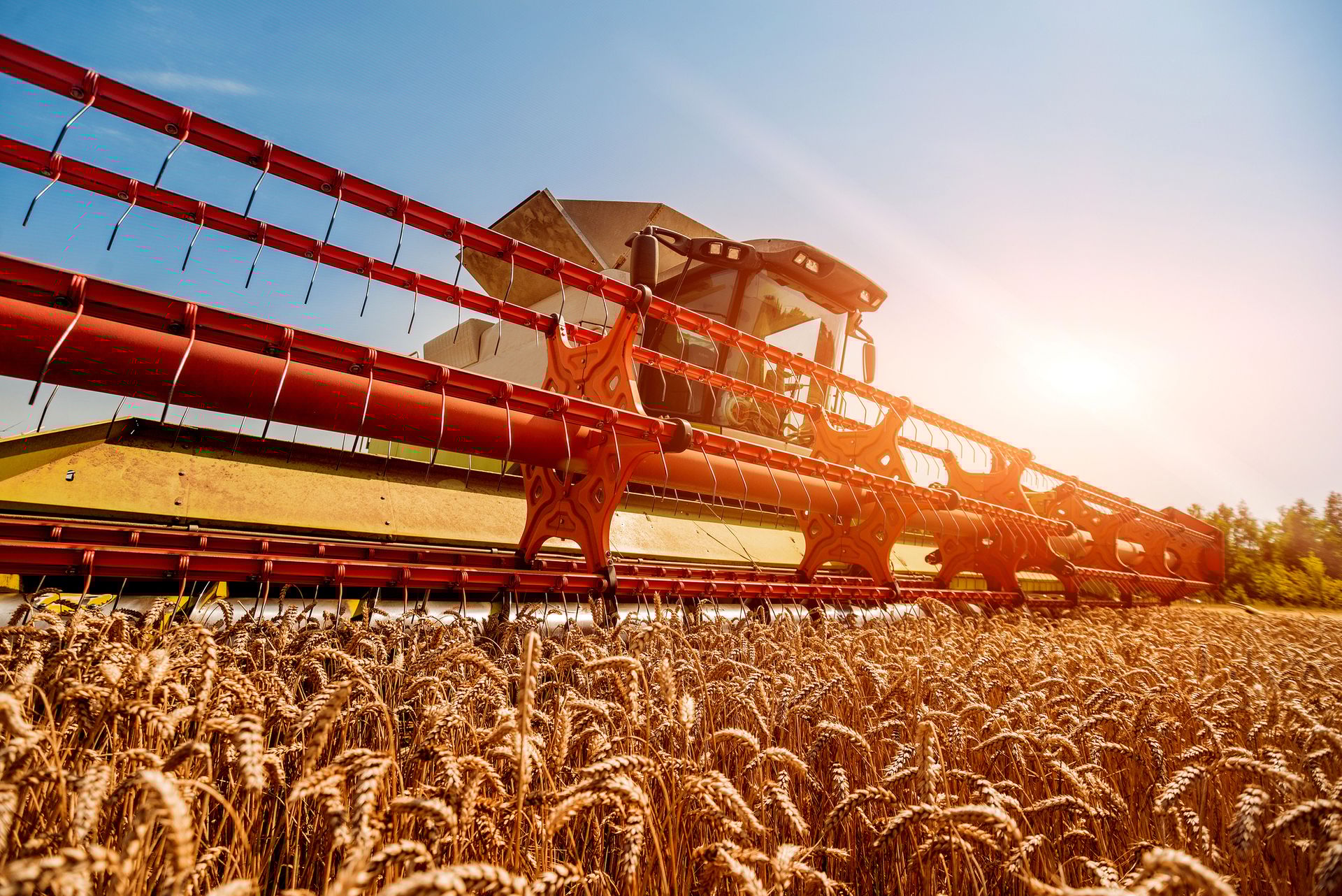
🕒 Market Overview: Wheat is the agricultural commodity that feeds the world. Commodity cyclicality suggests that wheat prices at just above $5 per bushel may be too low.
📈 Sector Insight: The WEAT ETF provides upside exposure to CBOT wheat prices, and the $22 call option limits the risk of a long position that expires during the next crop year.
💡 Today's Trade Idea: Bull Call Option WEAT.
SMART TRADE IDEA 💡
Bull Call Option WEAT
Trade Setup: Buy $22 Call, July 17, 2026, expiration
Cost: $0.90 or lower ($90 per option)
Max Profit: Unlimited
Breakeven: $22.90 per share on WEAT on July 17, 2026
Risk-reward: 1:2.33
Management Plan: Roll up to a higher strike, spread against a higher strike, if WEAT’s price reaches $28 before July 17, 2026.

NOTE: Remember, options trading involves substantial risk and is not suitable for all investors. Consider your investment objectives, financial resources, and experience level before implementing this or any options strategy.
DISCLOSURE: Trade recommendations may have changed since publication. Evaluate current market prices and risk/reward before acting. Trading involves significant risk and is not suitable for everyone. This is not personalized investment advice. Past performance doesn't guarantee future results. Publisher and contributors may hold positions in recommended securities. Readers assume full responsibility for their trading decisions. Consult a financial professional before investing.
 | Andy Hecht | Smart AnalysisA Wall Street veteran and analyst covering technical and fundamental factors in markets across all asset classes for over four decades. |
Why Wheat Could Be One of 2026’s Most Overlooked Opportunities
From energy to metals, leadership keeps rotating — and the WEAT ETF may be next.
The commodities asset class comprises six sectors: energy, precious metals, base metals, grains and oilseeds, animal proteins, and soft commodities. After reaching pandemic-inspired lows in 2020, commodity prices have risen, with alternating sectors leading the way. In 2025, precious metals led the bullish charge. In 2024, it was the soft commodities. In 2023, it was the softs, while in 2022, energy led the way on the upside. In 2021, the base metals, grains and oilseeds, energy, and animal protein sector composites were all over 29% higher.
As we head into 2026, prospects for higher commodity prices to continue remain, but which sectors will take up the bullish baton remains a question. As commodities head into 2026, I reiterate my bullish stance.
The dollar and fiat currencies continue to deteriorate
The dollar index moved 9.46% lower in 2025. Meanwhile, gold rallied over 64% in 2025. While the dollar index declined, all fiat currencies lost value and purchasing power in 2025, in a trend that began at the turn of this century.
Inflation below 3% and lower short-term interest rates favor commodities
The latest inflation indicators (November CPI and PCE) were at 2.7%. While inflation remains above the Fed’s 2% target, it has declined and stabilized. The Fed Funds Rate was 3.625% at the end of 2025. As President Trump prepares to replace Fed Chairman Jerome Powell over the coming months, a more dovish Chairman is likely to support lower short-term interest rates.
The reasons why commodity exposure will continue to provide positive returns
Falling interest rates support higher raw material prices. A weaker dollar and falling fiat currency values relative to gold signal declining purchasing power, rising commodity production costs, and higher commodity prices.
Since the 2020 pandemic-inspired lows, the trend in the commodities asset class is higher. The trend is always a trader’s or investor’s best friend, and it remains higher in early 2026.
Tariffs and sanctions are political factors that create trade barriers and support higher commodity prices.
Worldwide demographics support increased demand for raw materials. The global population has increased to over 8.16 billion.
Geopolitical bifurcation of the world’s nuclear powers creates cross-border tensions as the war in Ukraine continues to rage, China remains determined to reunify with Taiwan, and the Middle East remains a tinderbox of potential conflict.
The laggards can become leaders- Commodity cyclicality
Commodity cyclicality tends to support commodities trading at low prices near production costs, and weighs on commodities trading at historically high prices.
Raw material markets tend to fall to levels where production declines, inventories begin to fall, consumption increases, and prices find bottoms and reverse higher.
Raw material markets tend to rise to levels where production increases, inventories begin to grow, consumption decreases, and prices find tops and reverse lower.
Wheat prices have declined since reaching a record high in March 2022.

Source: Barchart
The chart highlights the 61.7% decline from the 2022 high of $13.6350 to the early 2026 price of around $5.22 per bushel.
Wheat is the primary ingredient in bread, which feeds the world. Wheat prices may be at the bottom of their pricing cycle in early 2026.
The Teucrium Wheat ETF moves higher and lower with CBOT soft red winter wheat futures prices. At nearly $20.40 per share, WEAT had $114.954 million in assets under management. WEAT trades an average of over 142,000 shares per day and charges a 0.83% management fee. The WEAT ETF offers put and call options.

Source: Barchart
The chart highlights that the WEAT ETF reached a high of $63.75 in 2022 and fell 69% to a low of $19.78 per share in early 2026.
AD - TRADE SMARTER WITH TRADIER
A Brokerage Built for Options Traders
Tradier offers fast execution, direct API access, and seamless platform integrations—all with a flat-rate subscription model that eliminates per-contract commissions. Trade on your terms with a brokerage designed for serious traders.
